Specialty Roofing
Specialty Roof Systems in Northern Virginia
Cedar shake, synthetic cedar, and natural slate. Premium systems for homes where the roof is part of the architecture.
Natural Material
Cedar Shake Roofing
Cedar shake roofing carries a character no synthetic can match. Split and tapered by hand, each shake has its own grain, thickness, and weathering pattern. Over time the roof silvers from warm tan to cool gray, giving older Northern Virginia homes a look that fits the architecture of the region.
- Lifespan 30 to 40 years when properly maintained. Exposure, pitch, and tree cover all affect the number.
- Premium look. Hand-split or tapersawn cedar are the two most common grades. Hand-split is more rustic, tapersawn more refined.
- Maintenance required. Every few years cedar should be cleaned of debris and inspected for cracked shakes. Homes under heavy tree cover may need treatment to prevent moss.
- HOA considerations. Some Northern Virginia HOAs restrict cedar because of wildfire and maintenance concerns. Check your covenants before committing.
Modern Alternative
Synthetic Cedar Shake
Composite synthetic shakes deliver the cedar look without the maintenance overhead. Manufactured from engineered polymer, they resist moss, UV breakdown, and insect damage. They carry Class A or Class B fire ratings depending on product, which real cedar cannot match.
- Lifespan 50-plus years with manufacturer warranties that often run 50 years.
- Class A fire rating available, which is required by some Northern Virginia HOAs that have banned natural cedar.
- No staining or treatment needed. Install it and forget it until roof end-of-life.
- Impact resistant. Class 4 hail ratings available on most premium lines.
Synthetic shake is our most recommended option for homeowners who want the cedar aesthetic on a 30-year plan. The upfront cost is comparable to natural cedar but the total cost of ownership is significantly lower.
Heirloom Roofing
Natural Slate Roofing
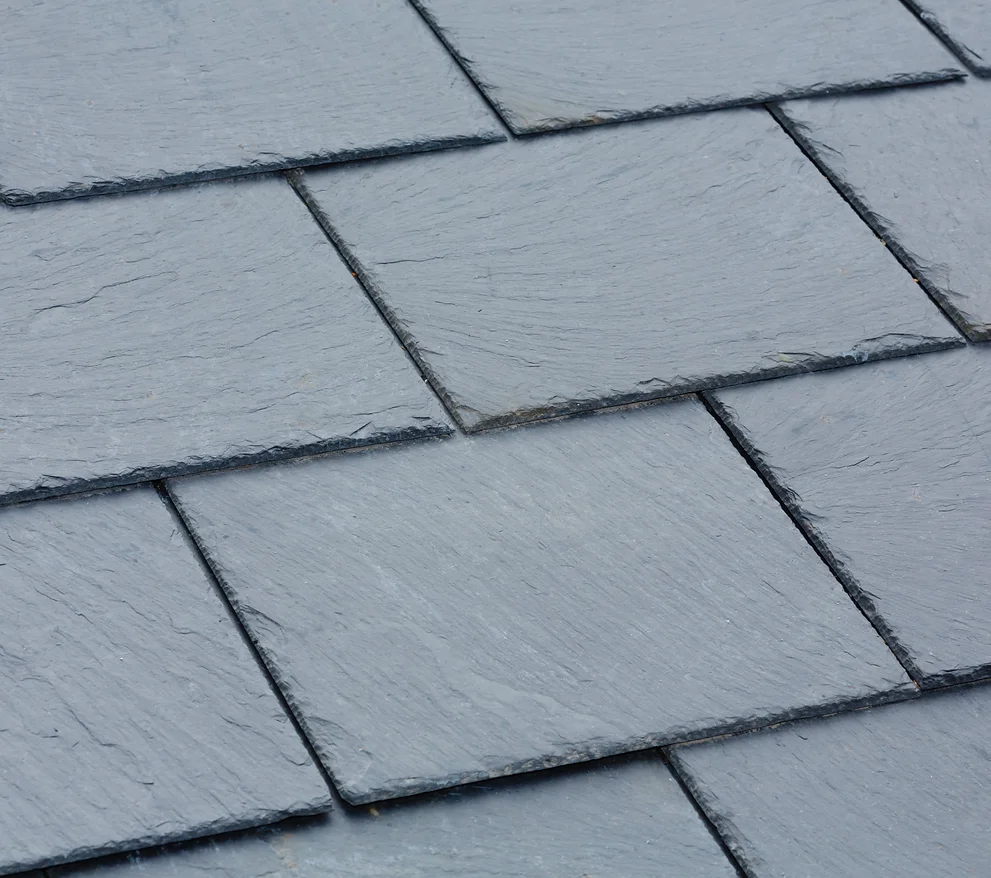
Natural slate is the longest-lasting roofing material in general residential use. A properly installed slate roof can last 75 to 100-plus years. We see slate most often on historic Northern Virginia homes, custom builds, and restoration projects where the look and longevity justify the investment.
- Lifespan 75 to 150 years. Slate does not wear like asphalt. The copper flashing and nails typically wear out before the slate does.
- Significant weight. A slate roof weighs two to three times what an asphalt roof weighs. Your home's framing must be rated for it.
- Specialty installation. Slate requires copper nails, copper flashing, and experienced installers. We handle restoration and new installs.
- Architectural fit. Slate belongs on homes designed for it, Victorian, Colonial, Tudor, French Provincial. Not a good fit for a suburban ranch.
HOA Matters
HOA Considerations in Northern Virginia
Northern Virginia has more planned communities than almost anywhere else in the Mid-Atlantic. Heritage Hunt, Virginia Oaks, Piedmont, Dominion Valley, and countless others have architectural review boards that must approve roof material changes. Our advice to any homeowner considering a specialty roof:
- Read your covenants first. Some HOAs restrict cedar entirely. Others require specific manufacturer product lines. A few grandfather existing material but require alternatives on replacement.
- Submit material samples to the board. We provide product sheets, photos of completed installations, and color chips for your submission package.
- Allow 4-8 weeks for HOA approval. Plan the project with that timeline built in so you are not pushing through summer storm season trying to get approval.
- We handle the documentation. Warranty paperwork, Class-A fire rating certifications, hail impact ratings, whatever your board needs.
Specialty Roofing FAQ
Roughly two to three times asphalt for cedar and synthetic cedar. Four to six times asphalt for natural slate. The longer lifespan often makes the lifetime cost comparable or lower, but the upfront investment is higher.
Probably not if it was originally built for asphalt. Slate weighs 800 to 1,500 pounds per square (100 square feet) compared to 250 for asphalt. Most existing Northern Virginia homes built for asphalt cannot carry slate without structural reinforcement. We can evaluate your framing and coordinate with a structural engineer if needed.
In most cases synthetic outlasts natural. Polymer shakes resist moss, UV, and insects that eventually break down natural cedar. The one thing natural cedar does better is patina over time. Synthetic has a more uniform look that some homeowners prefer and some do not.
Yes, if it is in the covenants. Northern Virginia HOAs that require specific roof colors or materials can legally enforce those rules. Check your HOA documents before you commit to a specialty project. We have helped many homeowners navigate the approval process.
We install them ourselves. Cedar shake, synthetic shake, and slate all have different fastening, flashing, and layout requirements that take specific training. Our crew has done all three systems across Northern Virginia. No subcontractors.
Exploring a Cedar or Slate Roof?
Free consultation with product samples. We help navigate HOA approvals and material selection.