
Gutter Services
Gutters & Downspouts
Proper drainage protects your foundation, siding, and landscaping. We install gutter systems that work seamlessly and look great on any home in Northern Virginia.
Why It Matters
Gutters Protect Your Entire Home
Most homeowners don't think about gutters until there's a problem. For city-specific gutter installation details, see our Dale City roofing and gutter page or Woodbridge roofing and gutter page, both with neighborhood-specific material recommendations. By then the damage is already done. A properly installed gutter system is one of the best investments you can make.
Foundation Protection
Water pooling around your foundation leads to cracks, settling, and costly repairs. Gutters channel water away from the base of your home before it causes damage.
Siding & Fascia
Without gutters, water runs directly down your siding and fascia boards causing rot, mold, and paint failure. Gutters keep your exterior looking new longer.
Landscaping
Uncontrolled roof runoff erodes soil, drowns plants, and washes away mulch. A good gutter system keeps your landscaping intact through heavy Northern Virginia rainstorms.
Most Popular
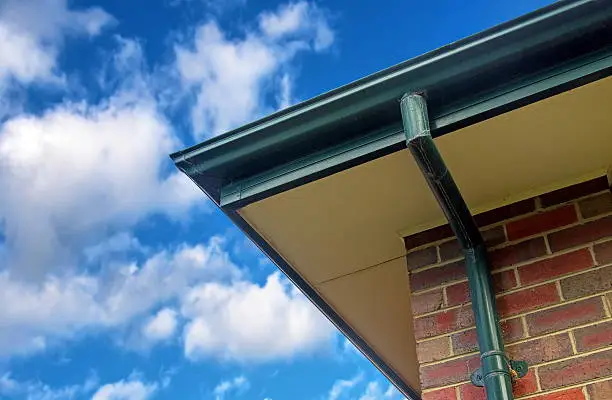
K-Style Gutters
K-style gutters are the most common gutter style in the United States and for good reason. They hold more water than round gutters of the same width, they're stronger, and they complement the look of most modern homes beautifully.
Available Colors
Classic Style
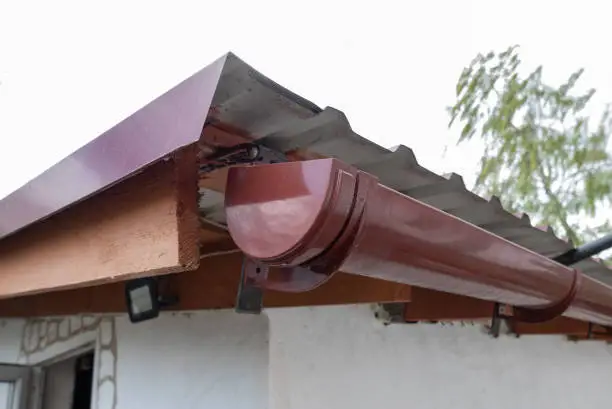
Half Round Gutters
Half round gutters have a traditional, elegant look that works beautifully on older homes and properties with historic or craftsman architecture. They are also extremely durable and easy to clean due to their smooth interior surface.
Available Colors
Stop Cleaning Gutters
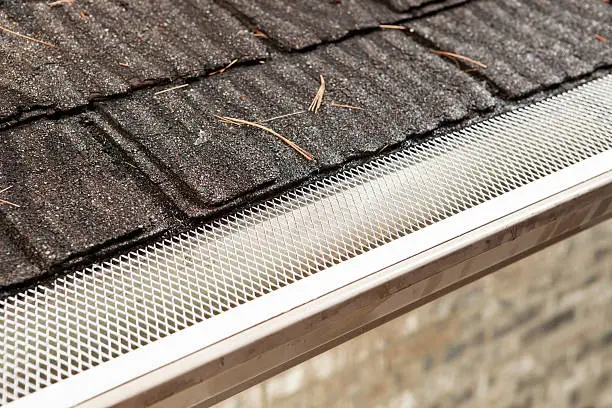
Gutter Guards
Northern Virginia is full of trees, which means gutters fill up fast. Gutter guards keep leaves, twigs, and debris out of your gutters so water can flow freely without constant cleaning. We offer seven different styles to fit every home and budget.
Local Conditions
Why Gutters Matter in Northern Virginia
Mid-Atlantic weather is unusually hard on residential gutter systems. Understanding what your gutters are actually up against here is the first step to buying the right system and installing it correctly.
Heavy Summer Downpours
Northern Virginia sees multiple inches of rain in under an hour during summer thunderstorms. A standard 5-inch K-style gutter can move about 5,500 square feet of roof runoff per hour. Homes with large roof areas or steep slopes often need 6-inch gutters with larger 3-by-4 downspouts to keep up. Undersized gutters overflow, and overflow always finds the foundation.
Winter Ice Dams and Freeze-Thaw Cycles
Virginia winters cycle above and below freezing dozens of times per year. That cycling puts enormous stress on gutter seams, hangers, and the fascia behind them. Water pooling in a clogged gutter freezes, expands, and tears sections away from the house. Proper pitch, strong hidden hangers, and debris-free gutters all reduce ice damage.
Oak and Maple Leaf Load
Northern Virginia neighborhoods are full of mature oak, maple, and poplar trees. They drop enormous volumes of leaves every fall and seed pods every spring. A gutter without guards in a leafy neighborhood clogs within weeks. Clogged gutters back up, rot fascia, and find their way behind the first course of shingles.
How We Work
Our Installation Process
Every Supreme Contracting VA gutter installation follows the same careful sequence. We do not send a separate sales team and crew. The same bilingual family team that quotes the job installs it, and the same people answer the phone if something comes up years later.
- Free on-site inspection. We walk the roofline, photograph fascia condition, note downspout routing, and measure the roof area so we can size the gutter system correctly.
- Written estimate with specifications. Exact material, gauge, color, hanger spacing, and downspout size are in the proposal. No surprises later.
- Tear-off of failing gutters. We remove the old system cleanly, repair any rotted fascia we find, and prime bare wood before installation starts.
- Seamless on-site fabrication. Our truck-mounted machine rolls out K-style or half round gutter to exact length, which means zero seams on straight runs.
- Hidden hanger installation. Heavy-duty hidden hangers placed every 24 inches, not the flimsy spike-and-ferrule systems used by discount installers.
- Proper pitch check. We verify a quarter inch of fall per 10 feet of gutter toward the downspout so water actually moves.
- Downspout routing and splash blocks. Water carried a minimum of 4 feet away from the foundation, with splash blocks or underground drainage depending on grading.
- Gutter guard installation if requested. Seven guard options, installed at the same visit so we do not have to come back.
- Final cleanup. Every aluminum clipping is picked up with a magnet, every screw and shingle piece hauled away.
Material Options
Aluminum vs Copper vs Galvanized
Most Northern Virginia homes end up in aluminum, but copper and galvanized each have a clear use case. Here is how we think about the choice with our customers.
.032-Gauge Aluminum
The workhorse of residential gutter work. Painted .032-gauge aluminum in a K-style profile is our standard recommendation for most Northern Virginia homes. 30 to 40 year service life, nine color options, reasonable cost, and color that does not chalk badly even in direct sun. If you are not sure what you want, this is where we start.
16-Ounce Copper
For historic homes, custom builds, and properties where visual character matters, 16-ounce copper is the premium choice. Copper patinas from bright penny to deep brown to gray-green over decades. It lasts 75 to 100 years. Installation cost is three to five times aluminum, but the system outlasts everything else on the house.
Galvanized Steel
Galvanized steel half round is occasionally specified for barns, outbuildings, or rural farmhouses where the period look matters. It is stronger than aluminum and will last 20 to 30 years. The downside is rust at cut edges and seams if the coating is compromised. We install it when the project calls for it but usually recommend aluminum or copper for primary residences.
Keep Them Working
Gutter Maintenance Tips for Northern Virginia Homeowners
A new gutter system is a 20 to 40 year investment on most homes, but only if it is maintained correctly. Most gutter failures we see are not from bad installation. They are from years of neglect. Here is what we tell our customers about protecting their gutter system.
- Clean twice a year minimum. Late spring after seed-pod drop and late fall after leaves finish coming down. Gutter guards reduce but do not eliminate this.
- Flush the downspouts. Run a hose into the top of each downspout every cleaning. If water backs up, clear the clog before it freezes in winter.
- Check seams and end caps after every major storm. Failures show up as drip lines on the fascia. Catch them early and they are a silicone bead. Catch them late and you are paying to replace soft decking.
- Watch for sagging between hangers. A 24-inch gap between hidden hangers is our standard. If a section starts to sag, a hanger has pulled out of the fascia and needs to be reseated before the whole run comes loose.
- Look for granule buildup. Heavy granule accumulation in a gutter is often the first sign your roof itself is near end-of-life. A gutter inspection can surface roof issues before they become interior leaks.
- Plan for gutter guards in leafy neighborhoods. Homes under mature oaks or maples in areas like Gainesville, Manassas, or Fairfax benefit most. Seven guard styles available, with different performance profiles depending on leaf size and debris load.
If you are not comfortable on a ladder or your gutters are on a second story, we offer single-visit cleaning and inspection on existing gutter systems. Written condition report included.
When we inspect an existing gutter system we look at three specific things beyond just visible debris. First, hanger spacing and whether any have pulled loose from the fascia board. Second, the slope of each run, which should carry water toward the downspouts at roughly a quarter inch of drop per ten feet. Third, the condition of the fascia itself behind the gutter, because soft wood means water has been getting where it should not be for a long time. If any of those are failing we write it up and photograph it so you have a record.
Most gutter problems we find in Northern Virginia homes come down to two original installation mistakes. Either the gutters were hung with spike-and-ferrule fasteners that eventually work loose, or the pitch was never set correctly and water has been pooling in the middle of a run for years. Both are fixable without a full replacement if the fascia underneath is still sound. Both are worth catching before winter.
Ready to Protect Your Home?
Get a free gutter estimate from a licensed, insured, family-owned team that serves all of Northern Virginia.